IRISES: A WINTER’S TALE
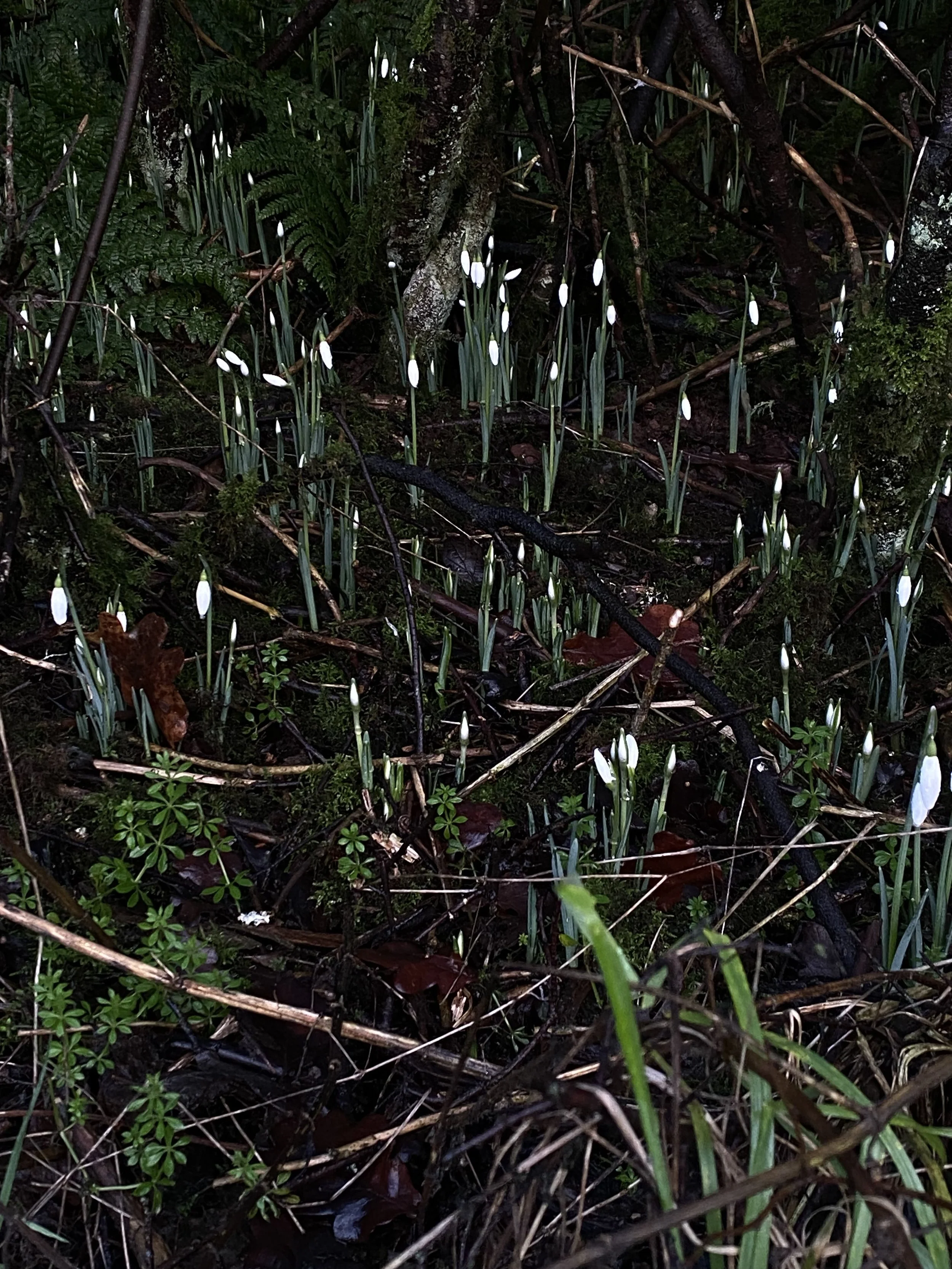
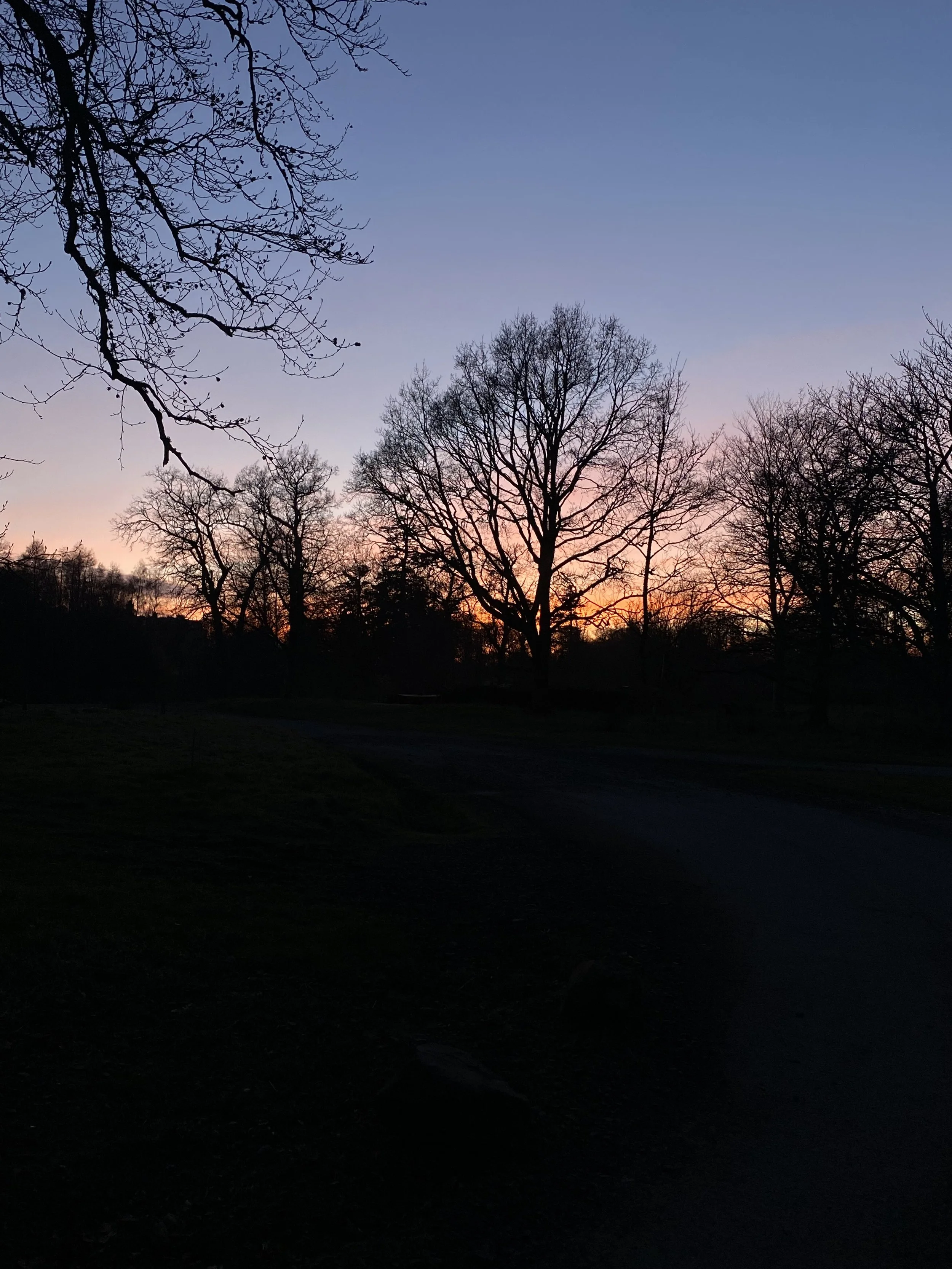
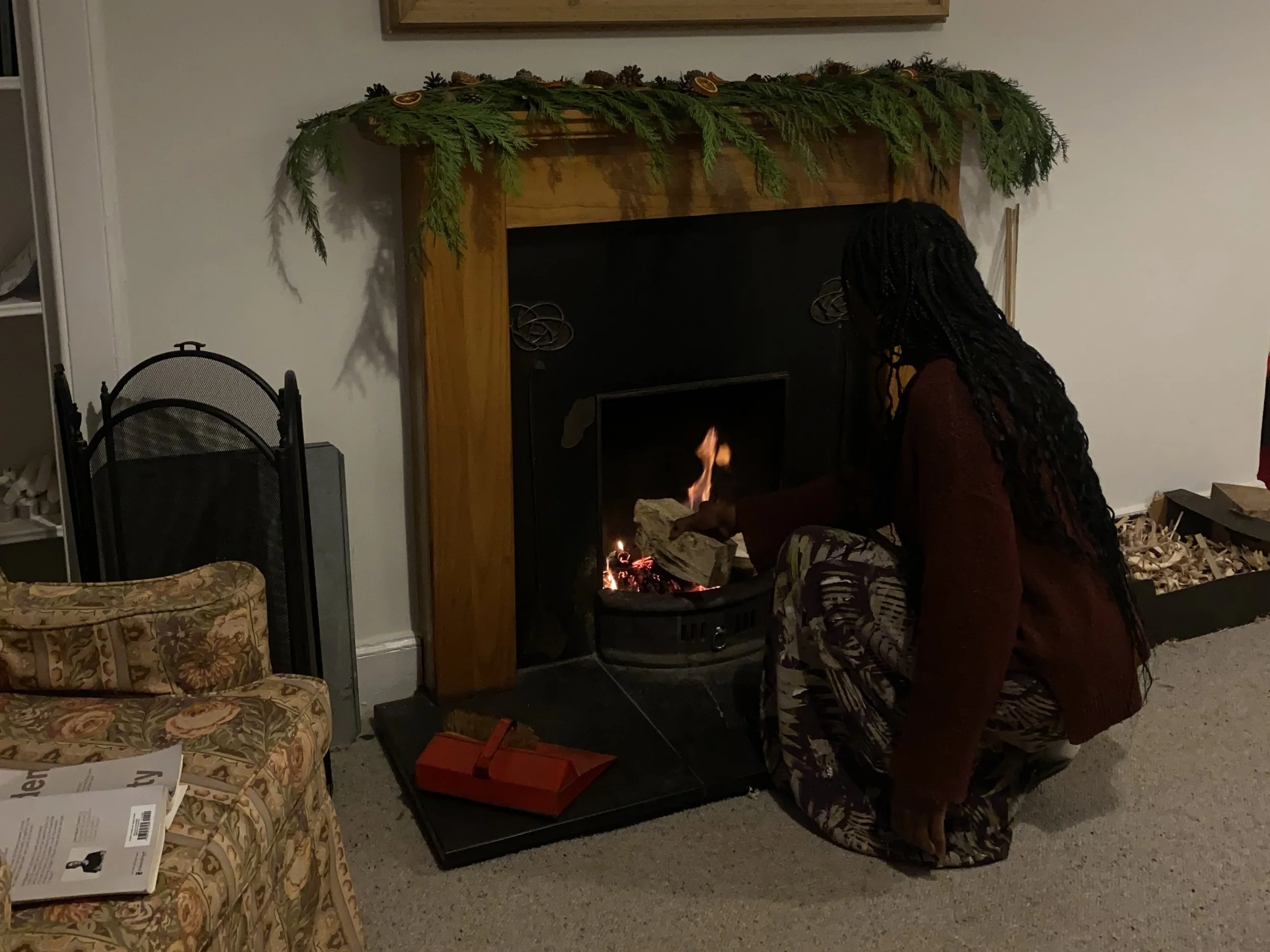
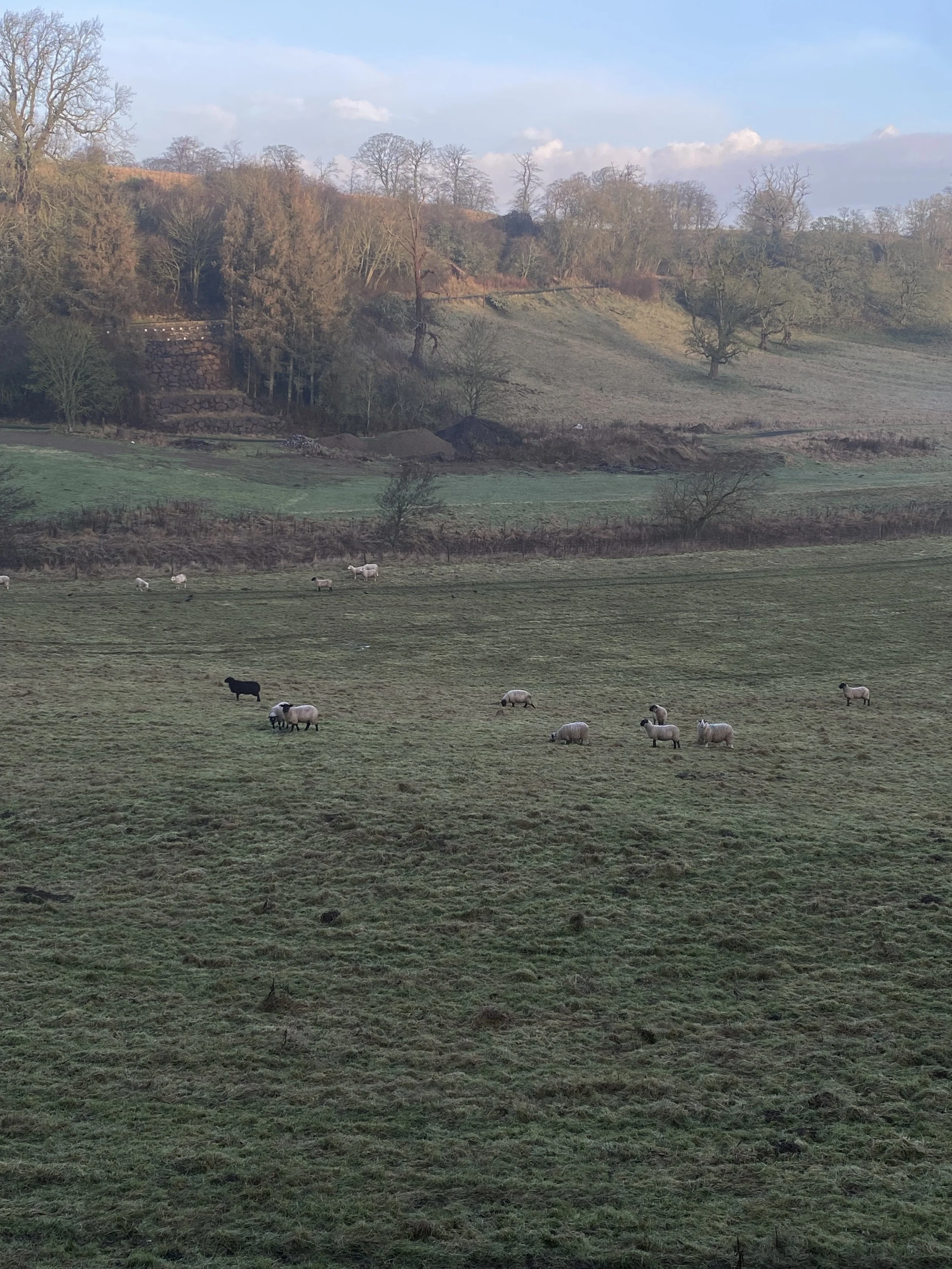
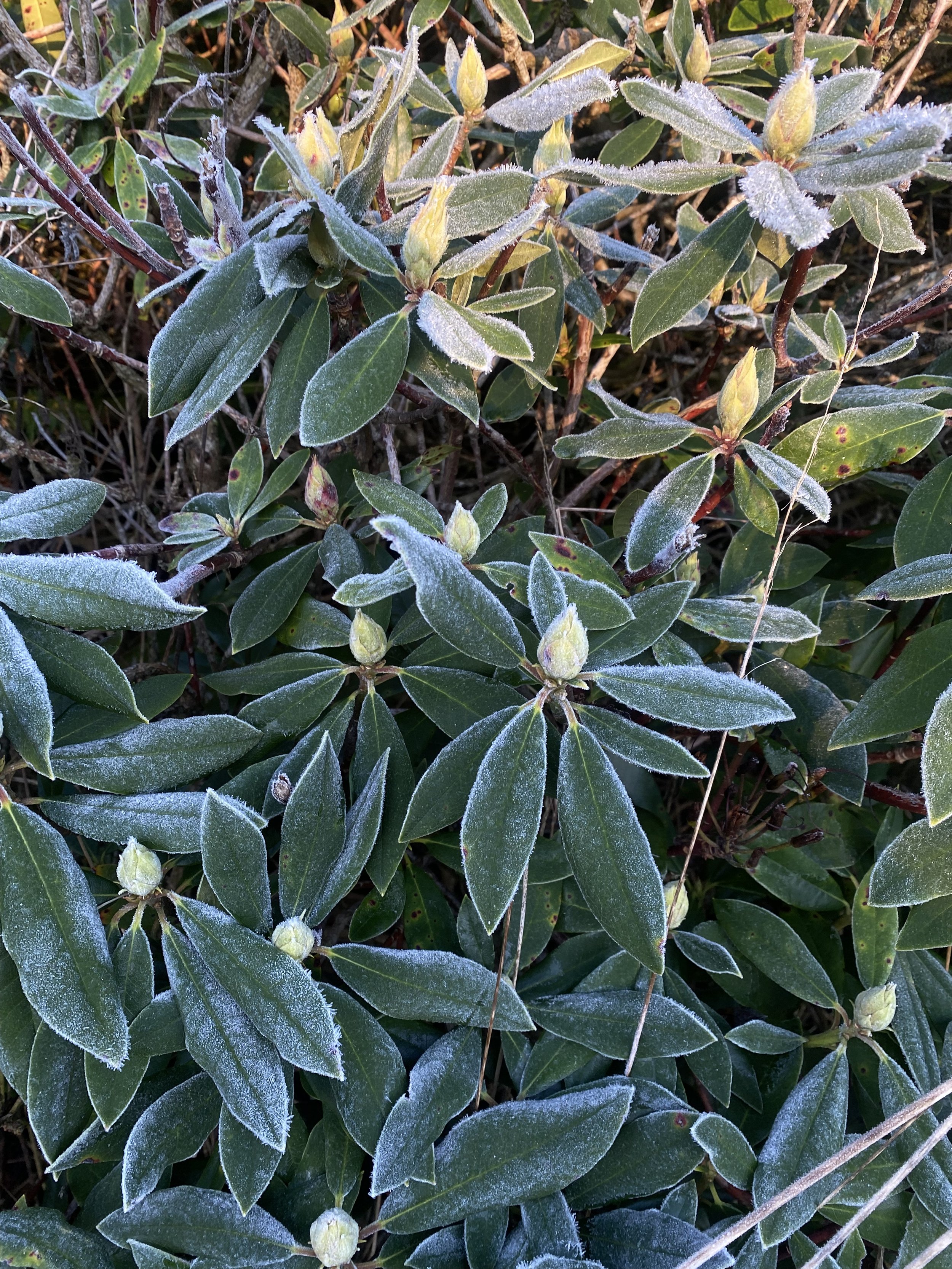
My usual winter routine involves hunkering down and resting from the busyness and outward energy of the spring and summer months. I take my cues from nature like the trees stripped back and laid bare, showing their structure. There’s a stillness in winter that invites me to hibernate and be still. During this period, my routine becomes intentionally slower. I reduce physical intensity, favouring long walks over running, and allow more space for rest within daily life. This rhythm supports my wider creative practice and helps me return to work with clarity rather than depletion. This past winter, however, I worked under very different conditions.
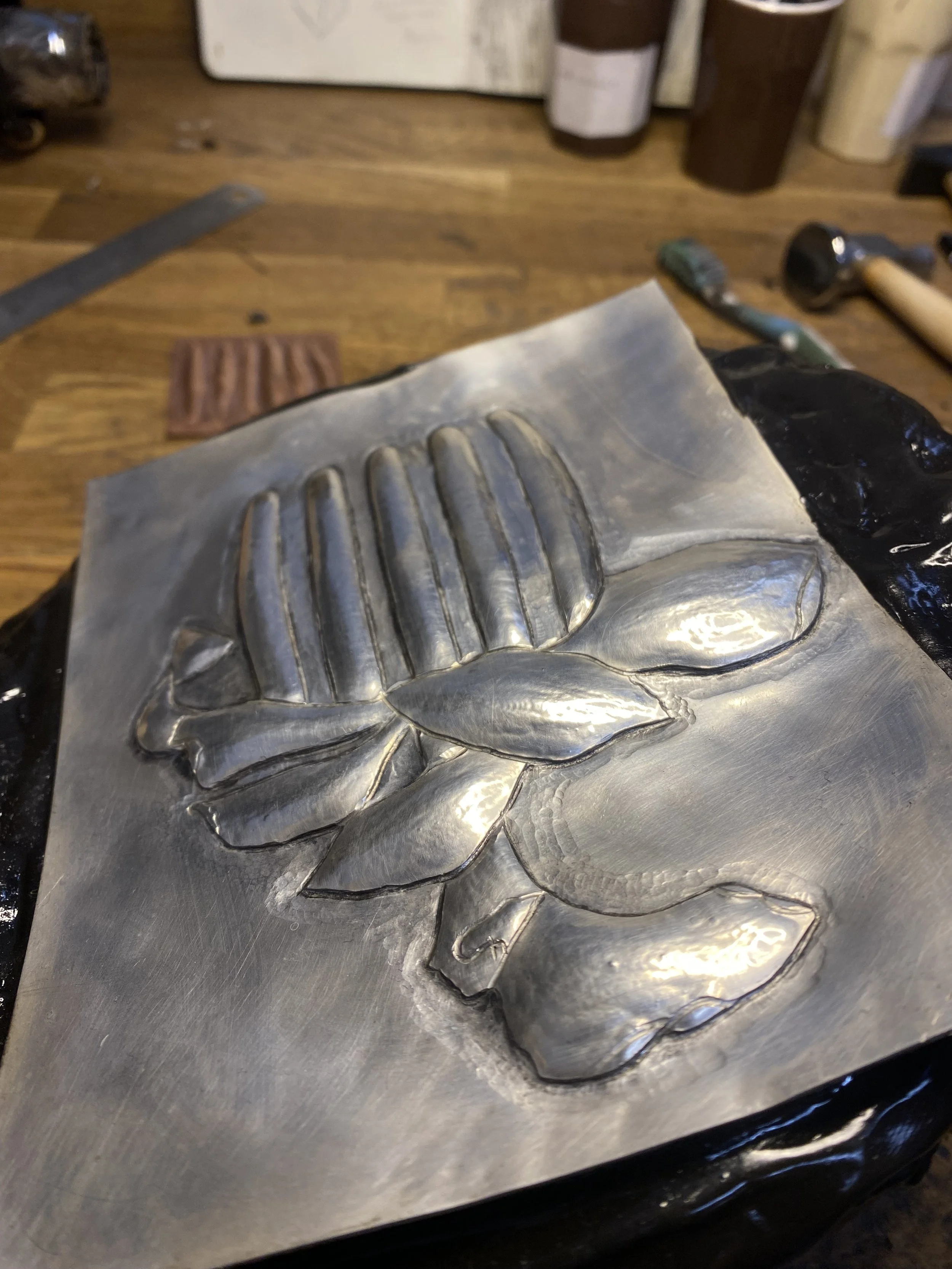
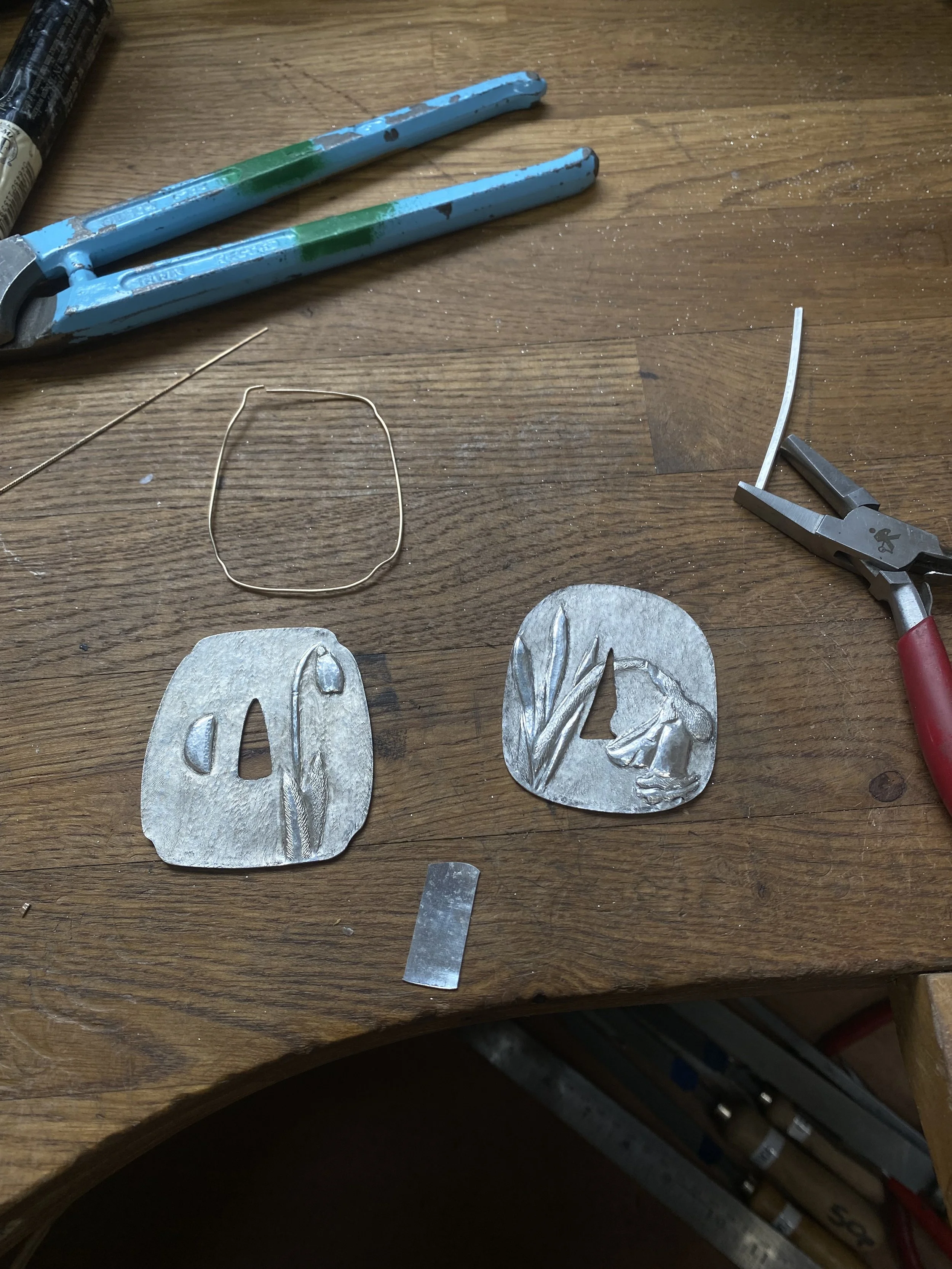
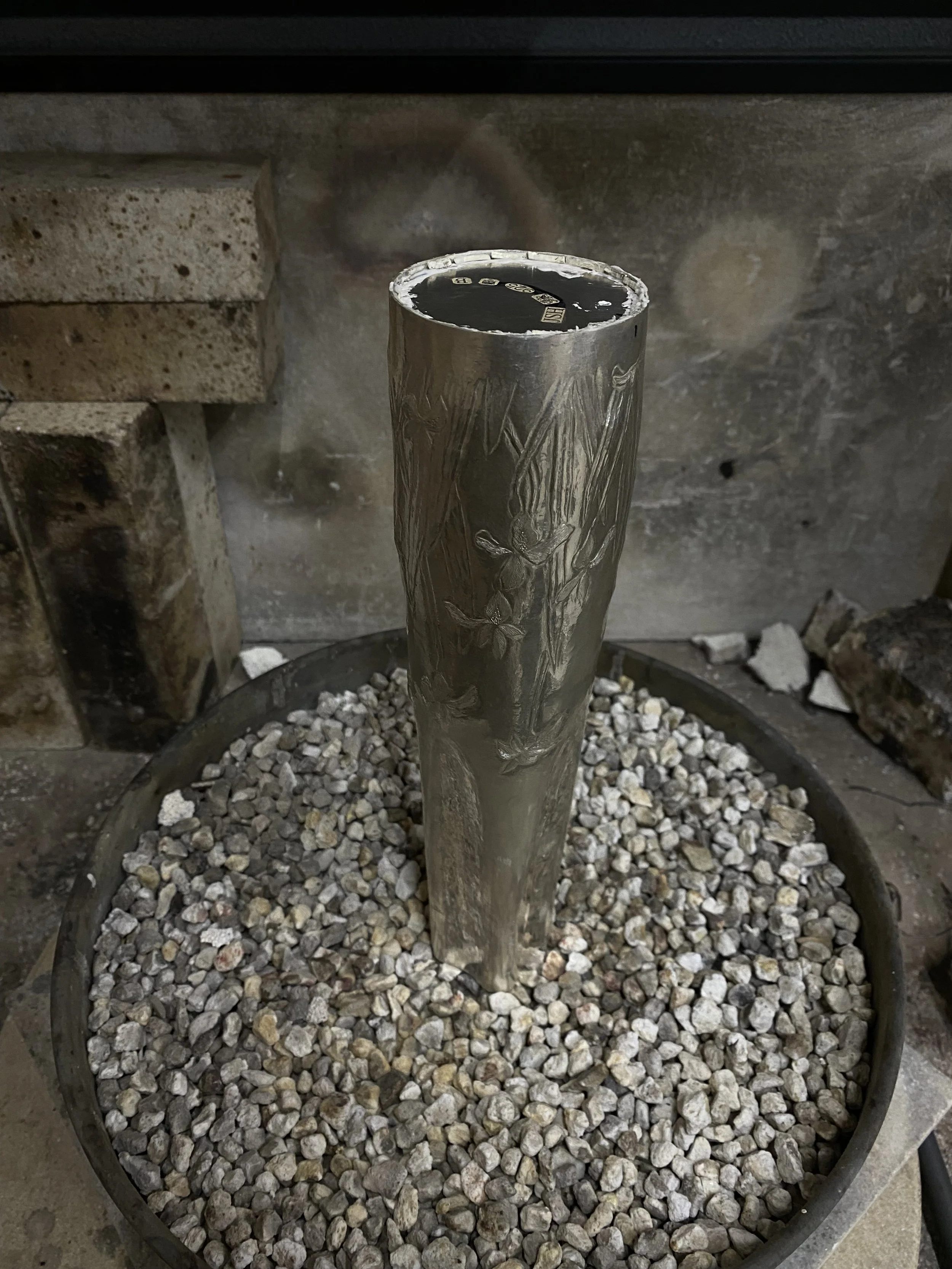
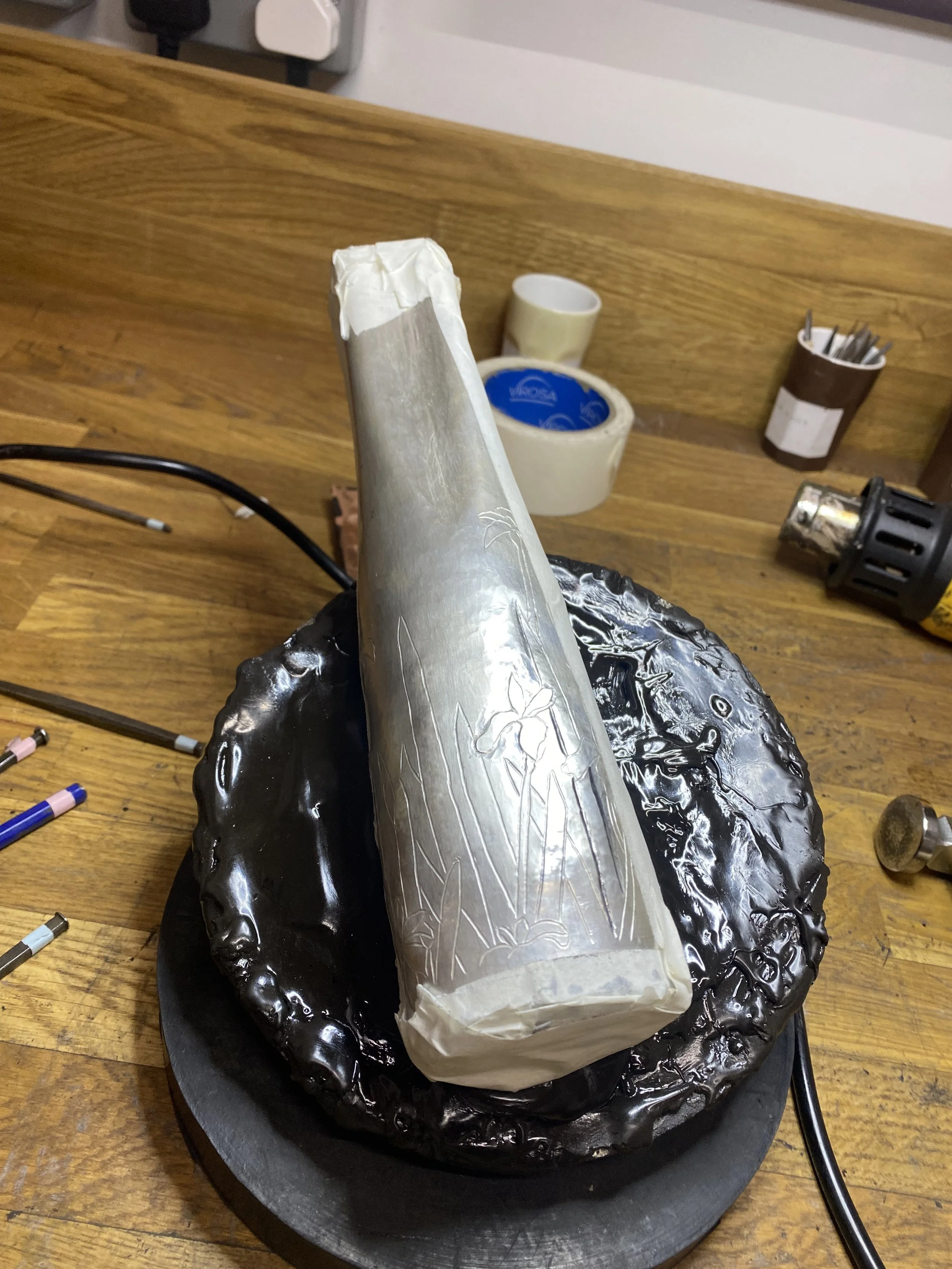
I developed a project with a defined deadline, and my first time working on something at this scale in a different technique. Much of the preceding autumn was spent developing a test piece and anticipating the technical challenges of translating the design into silver. Despite this preparation, the making process required significantly more time and focus than I had anticipated.
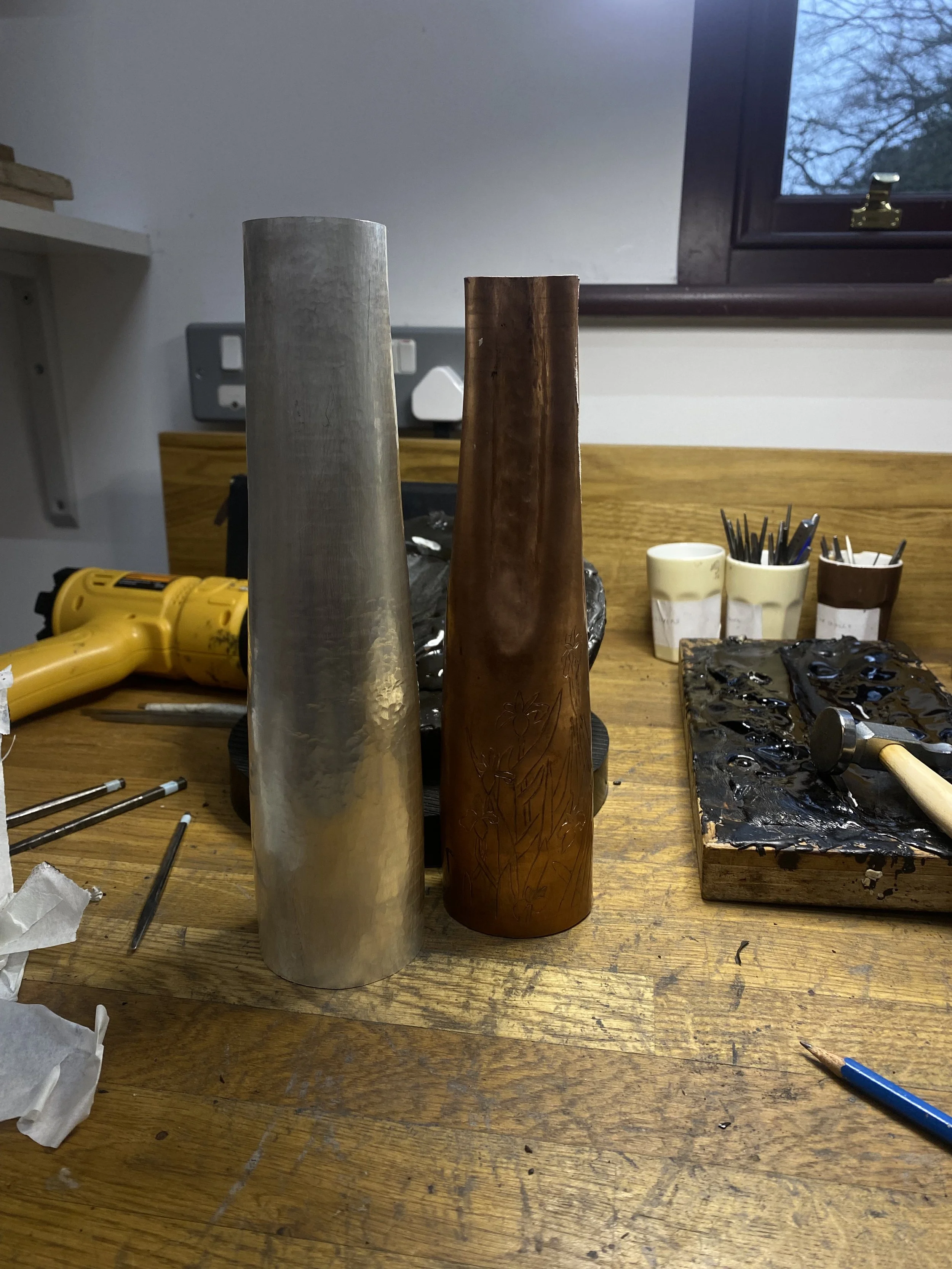
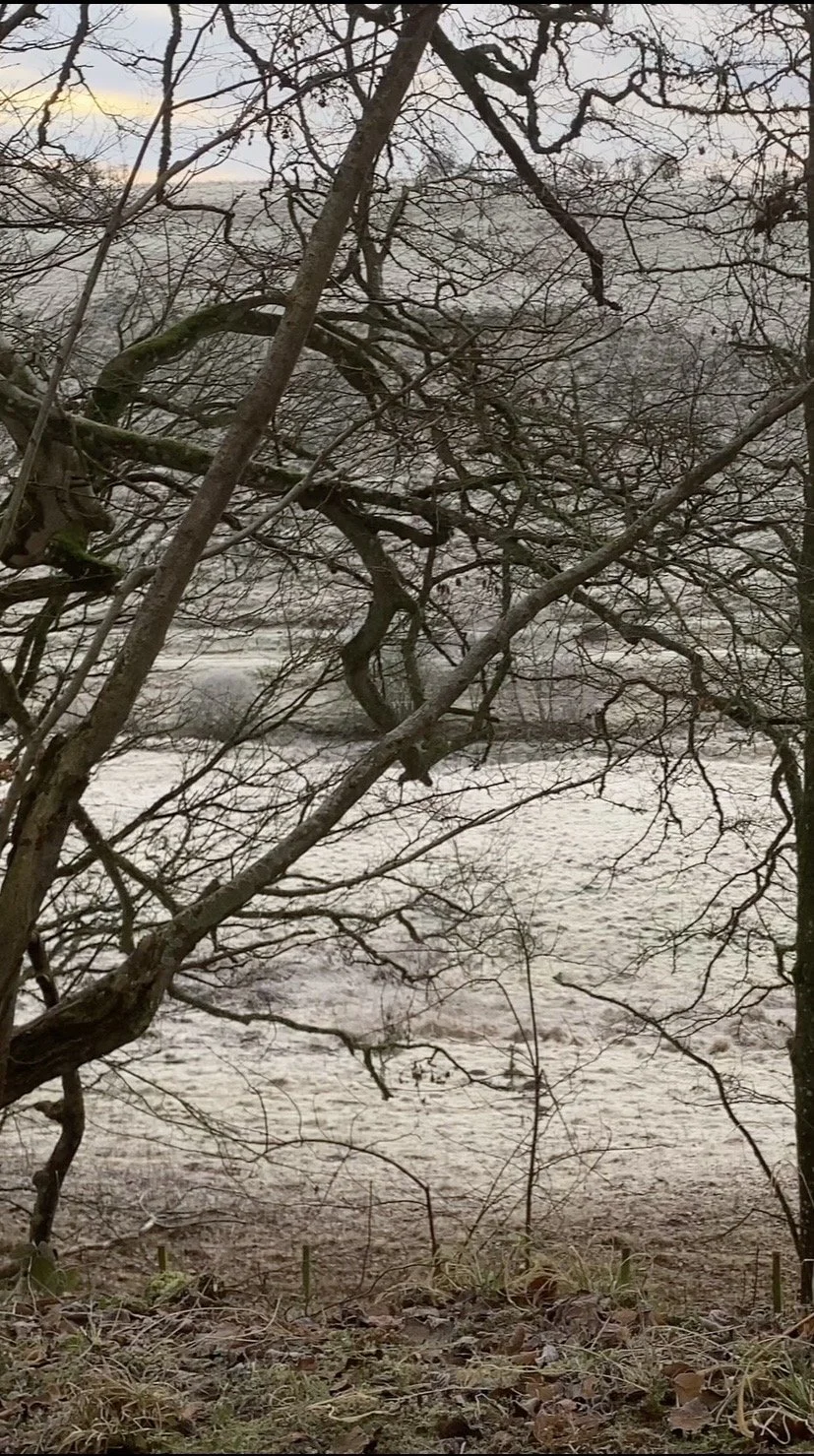
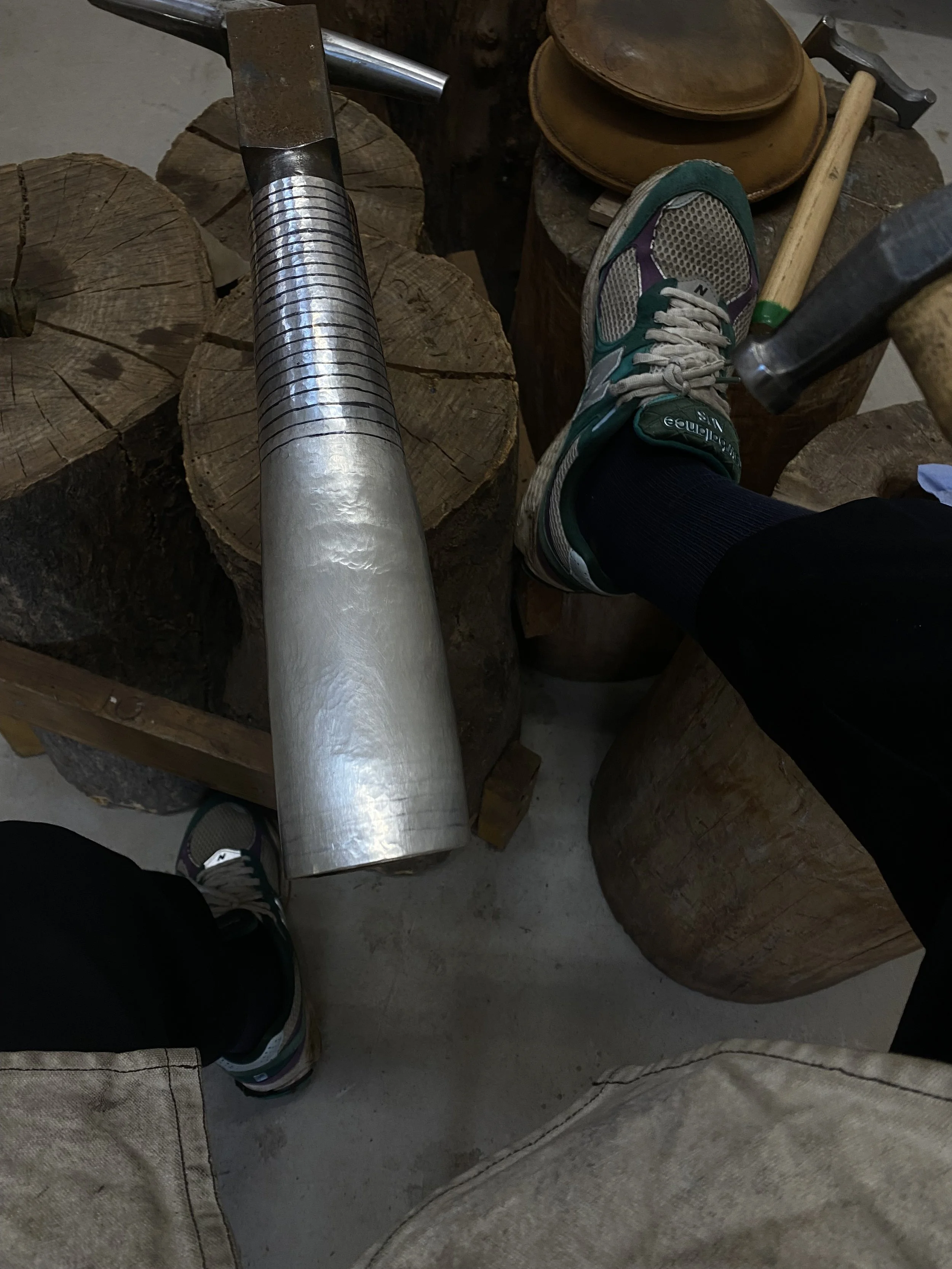
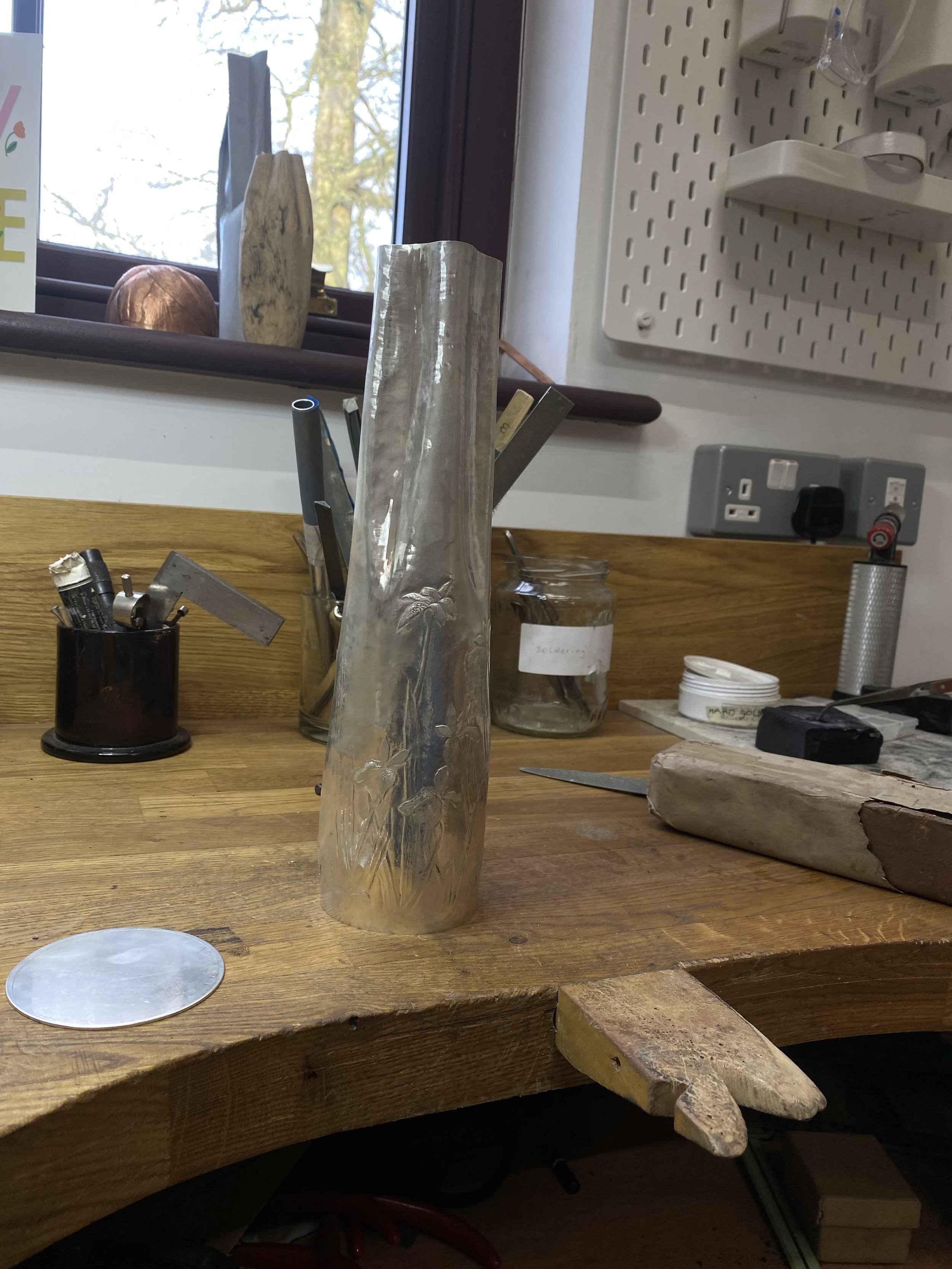
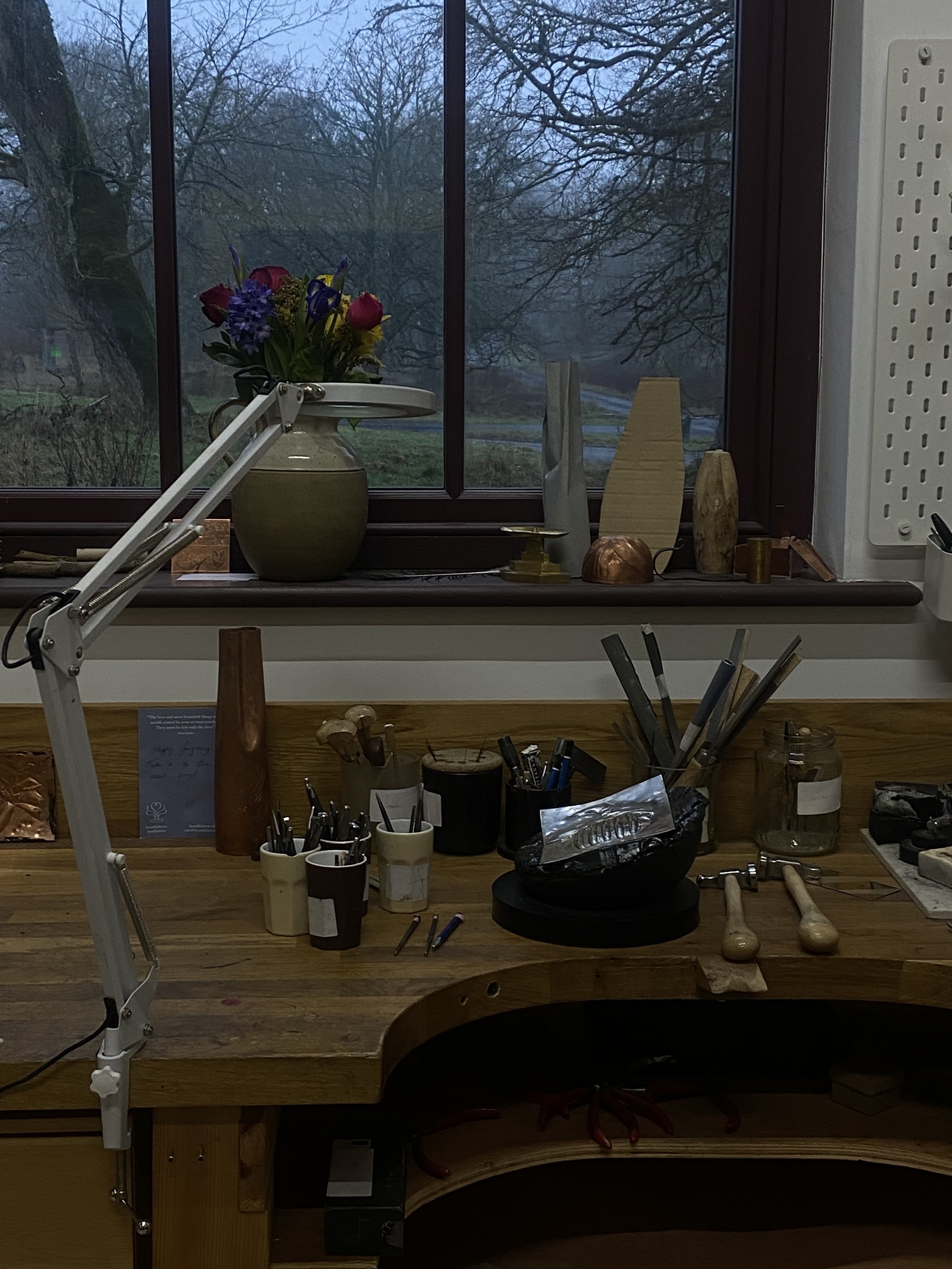
As the project progressed, my working pattern became increasingly intensive. I spent long hours in the workshop, often working through weekends and stepping away from my usual routines, including my daily walks. The snowfall during this period seemed to mirror the inwardness of the work, as my world gradually narrowed into a focused, repetitive rhythm of making. In hindsight, the experience felt misaligned with my natural working rhythm. The intensity was largely self-directed and created a compressed, isolated period of work that I would not typically choose.
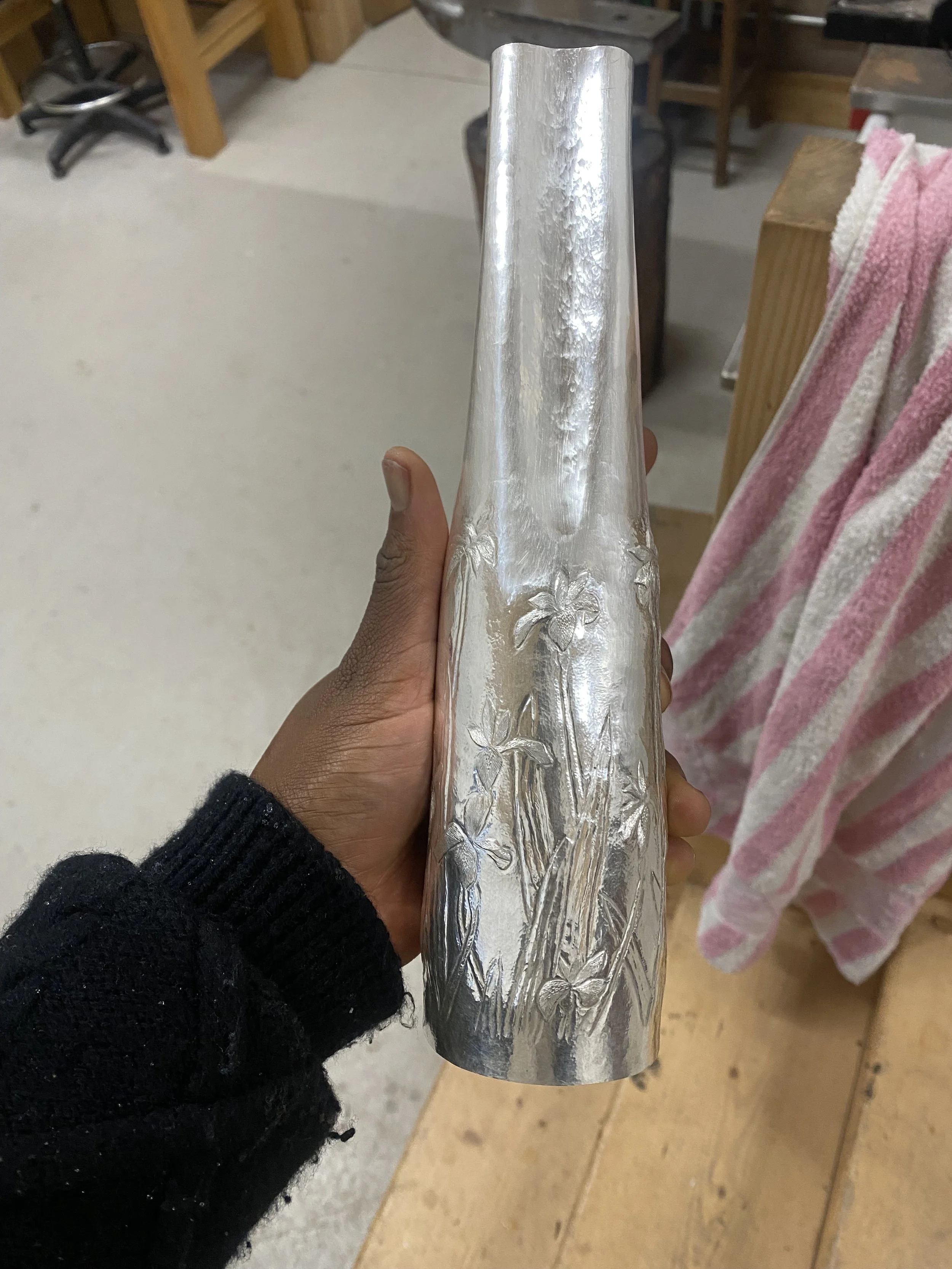
And yet, I am proud of what I made. The vase represents not only technical development but also a deepening of confidence in scale, process, and execution within my practice. There is value in that learning, even if the conditions that produced it were heavier than I would repeat.
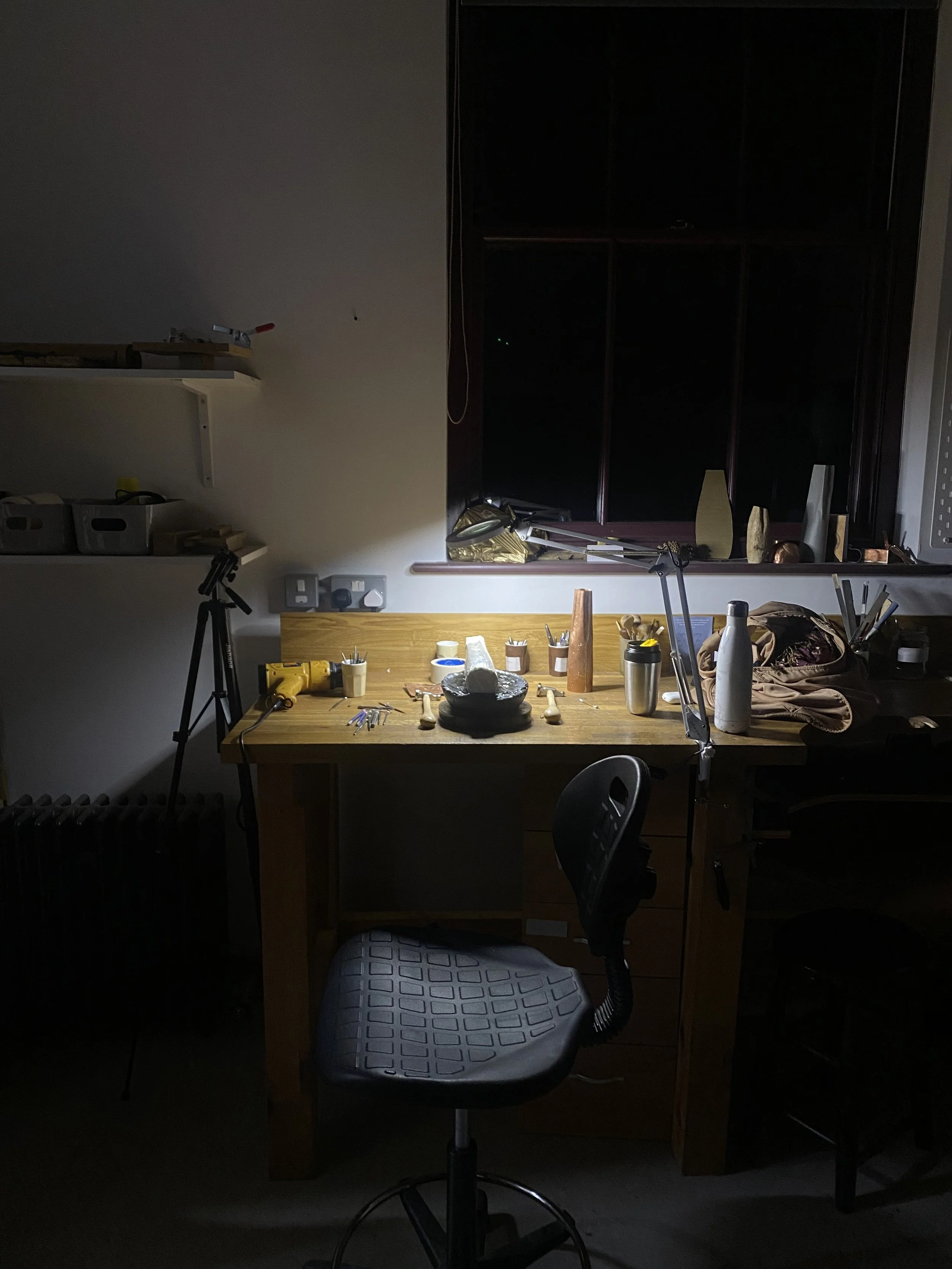
I am grateful that I get to work with my hands, developing ideas that feel discovered rather than forced. It is a practice that continues to teach me as much as I contribute to it. For me, work emerges from rest rather than the other way around. When I am depleted, I have little to offer my work, my relationships, or my community. Rest is not inactivity, but a form of grounding. It is a return to presence, to rhythm, and to a sense of enoughness(is that a word?). It allows space to listen again to ideas, material, and time.
This winter reminded me that even when I understand this, I do not always live it perfectly. I am still learning how to hold that balance, and how to remain in rhythm even when external pressures shift it.
And I continue to return to that learning in my practice.